Get chosen before the craving passes.
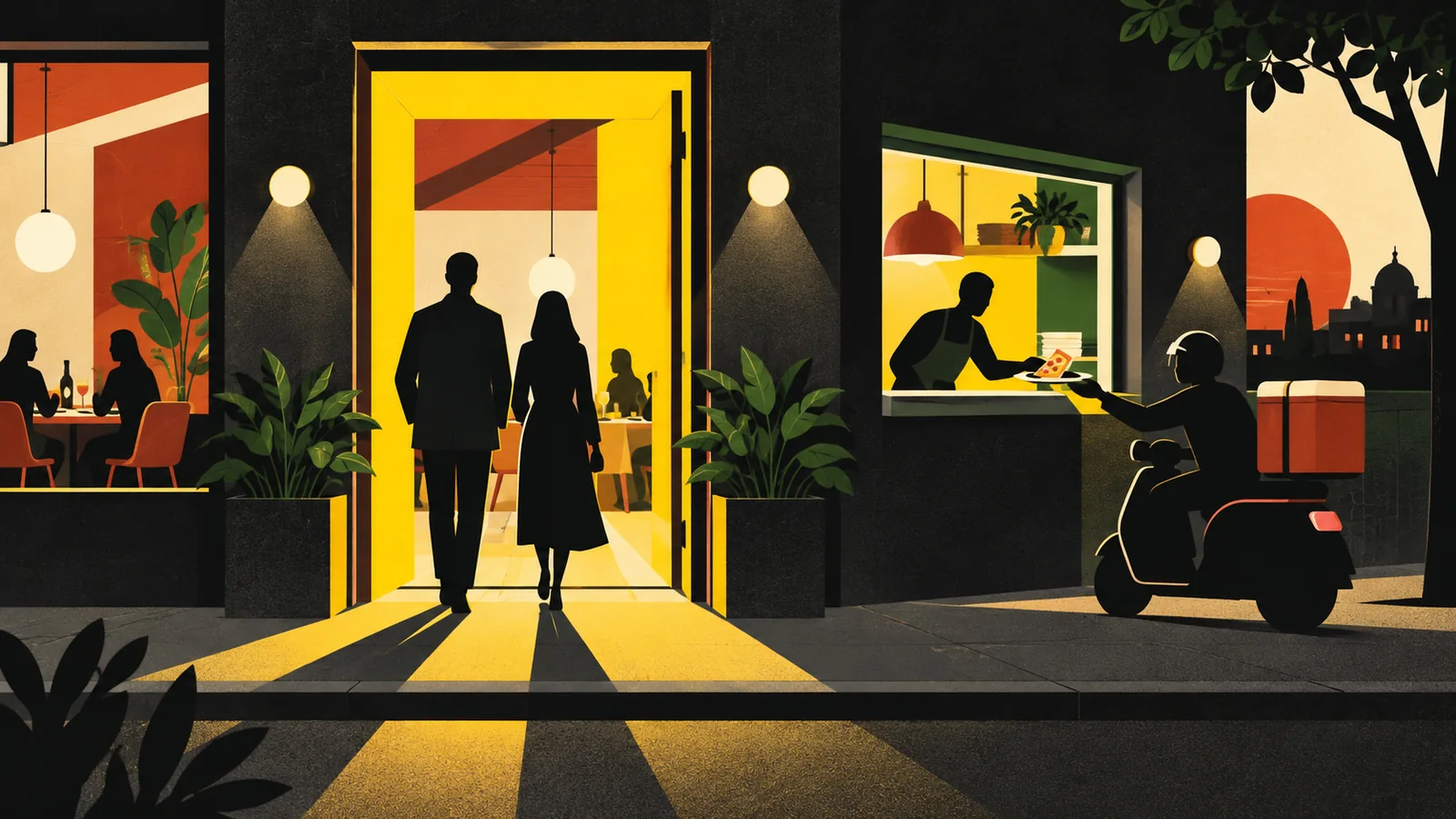
A hungry local rarely researches restaurants; plenty pick one in seconds from the map. We get you into the Map Pack looking irresistible, win the near-me and cuisine searches that end at your door, and keep those diners yours, not rented back from delivery apps.
- restaurants near metyped on a phone, now
- How farfrom where they are standing
- Photosrecent dishes and the room
- Ratingand the newest few reviews
- Open nowor closing soon, today's hours
- Menu and bookone tap to a table or an order
- Your RestaurantItalian, 400m away, booked
chosen in seconds, straight from the map. Every stop on this line is your Google profile.
What SEO for restaurants is
SEO for restaurants is getting your venue chosen on Google the moment a hungry local decides where to eat. It is almost entirely local: ranking in the Map Pack for searches like restaurants near me and your cuisine in your area, with a strong Google Business Profile, great photos, reviews, current hours and an easy way to book or order. Diners pick in seconds, so it is about being the obvious, appealing choice right then.
Win the Map Pack
Rank in the local results a hungry diner sees first, for near-me and cuisine searches in your area.
Look irresistible
Fresh photos, strong reviews, current hours and menu, so the diner who sees you wants to come in.
Own the diner
Direct bookings and orders at full margin, so the app becomes a supplement, not your landlord.
A common mistake in restaurant marketing is picturing a diner carefully researching where to eat. A hungry local pulls out their phone, searches restaurants near me or the cuisine they feel like, glances at the map and picks one in a few seconds: how close, how good the photos look, the star rating, whether it's open. That decision happens on your Google Business Profile, not on an About page nobody reads. So restaurant SEO means being the most appetising result at that instant for people close enough to walk or drive to you.
Diners don't research. They pick one, hungry, in seconds.
Choosing where to eat is a snap decision made on a phone, usually hungry and often with other people waiting on an answer. Few people compare ten venues or read long reviews; they scan the map, react to what looks good and close, and tap.

Your Google profile matters more than your website.
For most businesses the website is the centrepiece. For a restaurant it is the opposite: the diner decides on your Google Business Profile and rarely reaches the site at all. That flips the priorities, and getting it right is where we start.
Your Google profile
- Fresh, appetising photos of food and room
- A strong, recent star rating and reviews
- Accurate hours, so they know you're open
- A current menu and a one-tap way to book
Your website
- Full menu and story for those who visit
- Direct bookings and orders at full margin
- Backs up the profile and helps you rank
- Still important, just not where they choose
A neglected profile loses customers quietly. Out-of-date hours send hungry people elsewhere because they think you're closed. Dark or years-old photos make the food look worse than it is, and a stale trickle of reviews looks forgotten next to the busy place down the road. None of that arrives as a complaint; it shows up as diners who chose somewhere else in three seconds. So we treat your Google Business Profile as the shopfront it is: fresh photos, current hours and menu, steady reviews, correct details everywhere. It's the same discipline as our local SEO work, with the profile getting the effort first.

Stop trying to out-rank the food publications.
You will not beat the big food magazines and directories for broad best-of lists, and you do not need to. Those searches are people browsing, not booking. The searches that fill your tables are the high-intent local ones from people ready to eat now, and those end at your door, not at an article.
- Near-me and cuisine searches from hungry locals ready to choose.
- Booking-intent searches from people ready to reserve a table tonight.
- Not the best-of lists, which are a browse the publications will always own.
Own your diners, don't rent them back by commission.
Delivery apps bring orders, but they take the commission your agreement sets on every order, and the customer's details mostly stay with the app. Every app order is a diner you paid a cut to reach, and one you may never be able to contact again. A diner who finds you directly is yours, at full margin, and can become a regular.
When someone finds you at the top of the map and books or orders from your own site, you keep the whole margin and you own that customer. You can bring them back, turn them into a regular and never pay a commission on them again. Use the apps for reach if they pay their way, but don't let one become the landlord you rent your own customers back from. We build your direct search presence so more diners come to you first.
The set menu for your search presence.
Here's what is on the plate, in the order we usually serve it.
Google Business Profile
A complete, appetising profile built to rank in the Map Pack, with hours, menu and booking links right.
Photos that sell
Fresh, appealing photos of your food and room kept current, because diners choose with their eyes.
A review system
A simple way to keep genuine, recent reviews flowing, the fuel for both ranking and trust.
Cuisine & menu pages
Pages for your cuisine and standout dishes, so you rank for what hungry locals actually search.
Direct booking & order
Easy, obvious ways to book a table or order direct, so you keep the margin and own the diner.
Search & AI visibility
Google's guide to its AI search features ties them to its normal ranking systems and names a complete Business Profile as useful, so the work above carries across. No special markup needed.
The things that win diners go stale fast. Photos from two years ago stop looking like your food, reviews from last winter stop reassuring, and hours left unchanged after a tweak send people the wrong way. So we set the profile up properly, then keep it fresh: new photos, steady reviews, current menu and hours, seasonal updates. The approach shifts by venue, since a cafe leans on the breakfast and brunch crowd while a takeaway lives on quick near-me searches, but all of them are chosen in seconds on the same Google profile.
Set up well, then served fresh every month.
You see the plan before anything starts, and we report on bookings and direct orders, not invented percentages.
Taste-test the presence
We check how you appear when a hungry local searches, review your profile, photos and reviews, and see where you rank.
Prep the plan
We map the profile, photo, review and menu work you need to win the Map Pack, and you approve it before we start.
Plate it up
We tidy the profile, get fresh photos and reviews flowing, sort your menu and booking links, and build cuisine pages.
Serve fresh monthly
We keep photos, reviews and details current, because a restaurant's presence goes stale if it is left alone.
Count the covers
We track your rankings and the bookings and direct orders coming in, and push into the next cuisine or area.
Three plans, measured in covers.
Each plan is tied to something you can count on a Friday night. These are plans we might write for a venue, not results from one.
Shoot the ten dishes people order most in daylight, upload them with the current menu, set holiday hours ahead of time and answer every new review within the week.
Track: calls, direction requests and menu clicks in the profile's performance reportPut your own booking and pick-up ordering links on the profile and the top of the site, so the direct route is the easiest one.
Track: direct bookings and orders against app orders, month by monthA page for the cuisine and each signature dish, with dietary notes, price range and a booking button, written in the words locals search with.
Check: searches each page appears for, from Search Console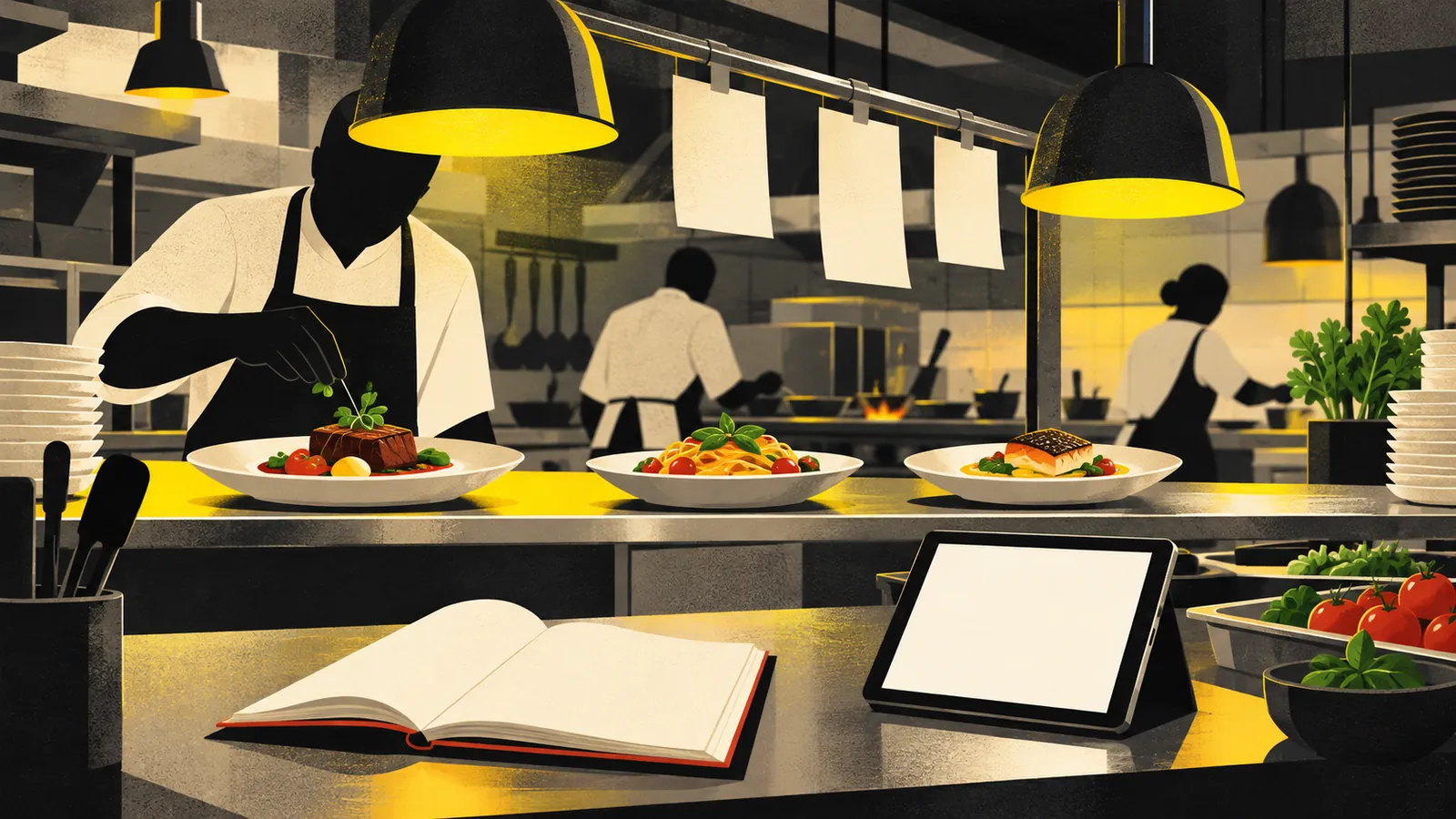
A busy dining room is measured in covers: bookings made, tables filled, direct orders placed. So we report your Map Pack rankings, the actions people take from your profile (calls, direction requests, booking clicks, menu views) and the direct orders that follow. We will never dress it up with a fabricated percentage. You can feel a good month in the covers on a Friday night, and that's the measure we hold ourselves to.
SEO for restaurants, answered.
SEO for restaurants is getting your venue chosen on Google in the moment a hungry local is deciding where to eat. It is almost entirely local SEO: ranking in the Map Pack for searches like restaurants near me and your cuisine in your area, with a strong Google Business Profile, great photos, reviews, current hours and an easy way to book or order.
For a restaurant, the top of Google is the Map Pack, the local results shown with the map, and your Google Business Profile is what ranks there. A complete, active profile with accurate hours, mouth-watering photos, a current menu, a steady stream of recent reviews and correct details across the web is what lifts you into those top spots. Your website supports it, but the profile does most of the work.
For a restaurant, usually yes. A hungry diner rarely visits your website; they look at your Google Business Profile, the photos, the star rating, the hours, the reviews, and decide from there in seconds. That profile is your shopfront on Google, so it matters more than almost anything on your site. Your website still helps with menus, bookings and ranking, but if your profile is thin, out of date or has poor photos, you lose diners before they ever reach the site. We make the profile the priority it deserves to be.
The searches that end at your door, not the ones that end at a magazine. Diners search restaurants near me, your cuisine plus their suburb, best breakfast nearby, or a dish they are craving, and those are the searches you can win. We do not try to out-rank food publications and big directories for broad best-of lists; we own the high-intent local searches from people ready to eat or book now.
They are decisive. A diner chooses with their eyes and their trust: appealing, current photos of your food and room make them want to come, and a strong flow of recent reviews reassures them it will be good. Together they do much of the convincing, and Google's own Business Profile help notes that a higher review count and good ratings can lift a venue in local results. We help you keep photos fresh and reviews flowing, and we never write or buy reviews.
Flag it, answer it once, and keep collecting real ones. Use the report option on the review in your Business Profile and pick the reason that fits, such as a review that is not about a real visit or comes from a conflict of interest; keep a note of the booking records or CCTV times that show why. Then reply publicly, briefly and without heat: the reply is written for the next diner reading it, not the reviewer. Never offer a voucher, refund or free meal in exchange for removing a genuine bad review, and never post or buy reviews to bury it. The steady fix is volume: ask every table the same way, so one unfair review sits among many recent fair ones.
Yes, in text a phone can read, and accurately. Diners with dietary needs often check the menu before they choose, and a photographed PDF is hard to read on a phone and hard for Google to understand. Put the menu on a normal web page, mark vegan, vegetarian and gluten-free dishes clearly, and say plainly what you cannot promise, such as a shared kitchen where cross-contact is possible, with a line asking diners with allergies to tell staff when they book. Use the same menu link on your Business Profile so the two never disagree. A dish page that answers these questions also matches the searches people type, like gluten-free pizza near me.
Yes, by answering the question before the diner asks it. On a busy strip, a review that says there was nowhere to park can put off someone who would have loved the food. Add the practical detail to your profile and the contact page: the nearest free or timed parking, the closest tram, train or bus stop, a loading zone for pick-up orders, and whether the entrance is step-free. A photo of the shopfront from the street helps people find the door at night. When a review mentions parking, reply with the same practical fix, so the next reader gets the answer in the thread.
Yes, and it is a good reason to invest in SEO. Delivery apps bring orders but take the commission set in your agreement on each one, and the customer relationship mostly stays with them. When a diner finds you directly through Google and books a table or orders from your own site, that customer is yours, at full margin, and can become a regular. Diners also notice when a dish costs more on an app than at the counter, so if your app prices are set higher to cover commission, show your in-house prices on your own ordering page and the menu linked from your profile; the direct route then looks like the better deal, because it is.
We cannot promise a date: Google's SEO starter guide says some changes take effect in hours and others take several months. A restaurant competes locally and much of the work sits in the Business Profile, which helps, and because people decide where to eat every day, any lift in visibility gets tested quickly. Cuisine and suburb pages on your site take longer. It is ongoing work, since photos, hours and reviews go stale, and the monthly report shows what has moved.
Yes. Everything that works in local SEO for restaurants applies to cafes, takeaways, bars and any food venue that relies on nearby customers choosing it. The details shift, a cafe leans on breakfast and brunch searches and morning foot traffic, a takeaway on quick near-me and cuisine searches, but the core is identical: win the Map Pack, make the profile appealing, keep photos and reviews fresh, and be the easy choice for a hungry local.
There are three published plans. Starter costs $500 a month, Growth $900 and Performance $1,500, and none comes with a setup fee or a lock-in. A single suburban venue with a tidy profile might only need Starter; a group with several venues in busy dining precincts will need more. After the audit we tell you which fits, and you can compare it with what the apps took from you last month. See our pricing page for how plans are structured.
By bookings, direct orders and diners through the door, not vanity numbers or invented percentages. What matters is whether more hungry locals are finding you, choosing you, and booking or ordering directly. We track your Map Pack rankings, the actions people take from your profile, calls, directions, bookings and menu views, and the direct orders that follow, then judge it on whether your tables are filling from search. The report counts real actions that put diners at your tables, and nothing is rounded up.
Tell us the venue, the cuisine and the streets your diners come from. We search the way a hungry local would at 7pm on a weeknight, look at your profile, photos, hours and reviews beside the venues that show up above you, and send back what we found with a plan and a monthly price. Work starts only once you approve it. The audit costs nothing; request it through the contact page.
Be the table they choose, and keep.
Tell us your venue, cuisine and area, and we will review what a hungry local finds when they search near you today, then plan the profile, photos, reviews and pages that win diners in the Map Pack and bring them direct. No lock-in.