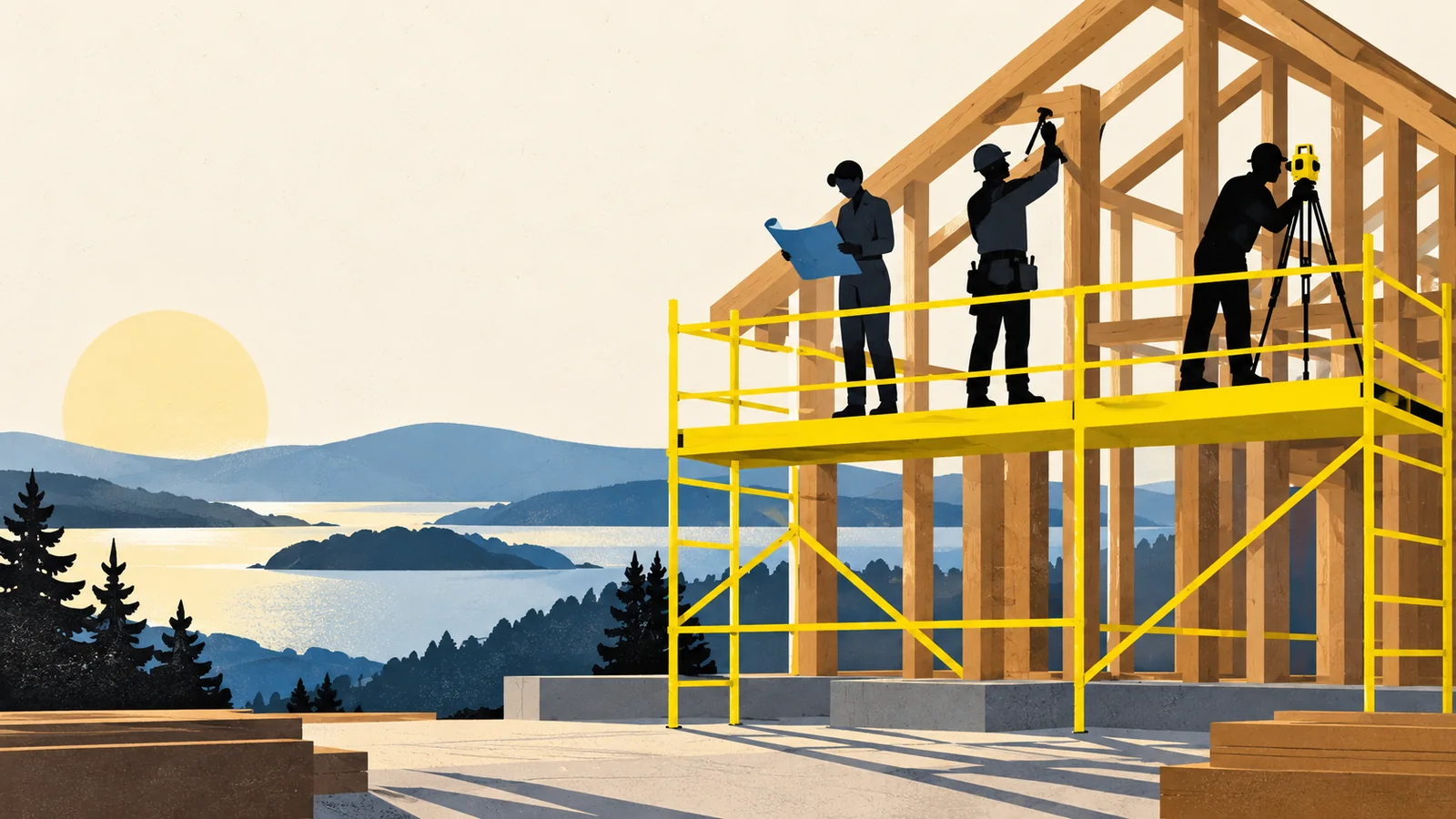
- Roof
- The home page, pointing down to every floor.
- Floors
- Service, location and guide pages, one for each search worth winning.
- Foundations
- URLs, internal links, speed and redirects: fixed at the wireframe, hardest to change later.
SEO website design that starts at the foundations
The decisions that most affect whether a site ranks are structural: which pages exist, what their URLs are, how they link, how fast they load. Those are set when a site is planned. Add SEO after launch and you're trying to fit them into a building that was never drawn to hold them. We draw them first.
- One team for design, build and SEO
- Open platform you own
- Redirects mapped before launch
- SEO plans from $500 a month
Updated
What SEO website design is, and where it starts
SEO website design means building a site with search in the plan from the start, instead of designing it and adding SEO afterwards. The keyword and page plan shapes the structure before the first wireframe, the build is fast and clean, and the site launches ready to be found.
- Step 1Brief and goals
- Step 2WireframeSEO starts here
- Step 3Design
- Step 4Build
- Step 5Launchold URLs already mapped
Search shapes structure
Pages, URLs and internal links planned around what people search.
Fast and clean
A lean build without page-builder bloat, quick for visitors and crawlers.
Yours to keep
Open technology you own outright, with nothing tying you to us.
The traffic cliff after a redesign, and what causes it
A redesign that ignores search can lose traffic the week it goes live, and the causes are mechanical: URLs change without redirects, pages that ranked are dropped, or the new build is slower and heavier than the old one.
An illustration of the pattern, not data from a real site.
- Changed URLs with no redirects, so old addresses return errors and the trust and links behind them go nowhere.
- Ranking pages cut in a tidy-up nobody checked against visits.
- A heavier build, with more scripts and bigger images than the site it replaced.
We audit what ranks and brings visits before anything changes, keep the pages that earn their place, and map every old URL to its new home. Done properly, a redesign holds your search traffic. Our SEO migration page sets out the full checklist.
"We'll get you a 100 on PageSpeed" is the wrong promise to buy
A lot of web design pitches lead with a PageSpeed Insights screenshot. The 0 to 100 score comes from Lighthouse, a lab test: one simulated page load in a controlled setting. Google's own documentation says lab data is useful for debugging but may not capture real-world bottlenecks. What its ranking systems use is Core Web Vitals, measured from real visits. Google also says good scores in its reports or third-party tools don't guarantee top rankings, that chasing a perfect score just for SEO may not be the best use of your time, and that it still shows the most relevant page even when the page experience is sub-par.
So ask a designer for something you can check after launch: pages that pass Core Web Vitals on real-user data (the field data at the top of PageSpeed Insights, or Search Console's Core Web Vitals report once the site has enough visits). Don't let anyone strip out your prices, photos or enquiry form to win a lab number.

The drawing set for an SEO-built website
Website design and SEO services from one team. Each sheet below is a deliverable you keep.
SEO and content plan
Keyword research and a page list that decides the structure before design begins.
Site architecture
URLs, menus and internal links mapped to how people search.
Design that converts
Mobile-first layouts that look the part and lead visitors to an enquiry.
Fast, clean build
Lean code on solid foundations, with the technical SEO set up during the build.
Content that can rank
Pages written around search intent by our content team, never placeholder text.
Redirect map
Every old URL mapped to its new page, with redirects live at launch.
One team answerable for how it looks and how it ranks
One team means the people planning the structure are the people building it. Split the job across a designer, a developer and an SEO, and the search brief sits in a document that gets ignored once design starts.
Three suppliers
- Designer makes it look good
- Developer builds it
- SEO is added later
- Redirects are nobody's job
Nobody owns the result.
One team
- Search plan sets the structure
- Design and build follow it
- Redirects mapped before launch
- Rankings checked after go-live
One place to look when the site has to perform.
We build on WordPress by default, so the site inherits the same lean approach as our WordPress SEO work. If your project suits another platform better, we'll say so.
Built so you can leave whenever you like
We build on open technology you own, in hosting and accounts set up in your name, so if you want to move on, you take the site and go. The only reason left to keep working together is that the work is worth it.
- Open platformNo proprietary system that only we can run.
- Your hosting and accountsSet up in your name from the start.
- Full accessEvery login and file is yours.
- Documented handoverEverything explained, so you never depend on us.
Check whose name is on the domain before you commission anything
Plenty of businesses find out their domain was registered in the web designer's name only when they try to leave, and the domain is the one asset you can't rebuild. Look it up now. For a .au address, the auDA WHOIS search at whois.auda.org.au shows who holds the licence; it should be your business. For a .com, make sure the registrar account that holds it is one you log in to yourself. If the holder is your designer, ask for a transfer to your business today, while everyone is on good terms.
Every old URL has a new address before go-live
Every existing address gets a permanent redirect to its new home before launch, so rankings and links carry across. It's the step most likely to be skipped when the people launching have no stake in your rankings.
/services.html301/services//about-us-page301/about//blog?id=482301/blog/the-post-title//old-service-we-kept301/services/that-service/Example rows. Your map is built from a crawl of your own site, checked against what ranks and what other sites link to.
The new site goes live and Google is told to ignore it
Developers build on a staging copy and hide it from search while they work. On WordPress that's usually the "Discourage search engines from indexing this site" box under Settings, Reading, which makes WordPress add a noindex robots tag to every page. If the box is still ticked when the site moves to the live domain, the redirects all work and Google is still asked to drop every page. Our launch check takes ten minutes: confirm that box is clear, view the source of a few templates and search for "noindex", read robots.txt, and run the homepage and one service page through URL Inspection in Search Console.
From brief to handover in five stages
You see the page plan before design begins, and URL changes are handled on purpose, not discovered after launch.
- Stage 1
Brief and SEO plan
Your goals, your keywords, and the pages the site needs to rank.
- Stage 2
Structure and wireframe
Architecture, URLs and internal links mapped, then wireframed for your approval.
- Stage 3
Design and build
Mobile-first design, built lean, with technical SEO set up as we go.
- Stage 4
Content and redirects
Pages written for search, and every old URL mapped to its new home.
- Stage 5
Launch and handover
Redirects live, full ownership and access handed over.
A redesign with no cliff
Crawl the old site, record what ranks, and have every old URL redirected to its new page before the switch.
Check after launch: no new 404s in Search ConsoleA new site planned from search
Plan the pages from keyword research at the wireframe stage, so each service and location has a page made for its search.
Check after launch: pages indexed and showing impressionsA rescue after a bad launch
Compare old and new URLs, redirect the missing ones and restore pages that were cut.
Check after launch: old URLs redirecting, errors falling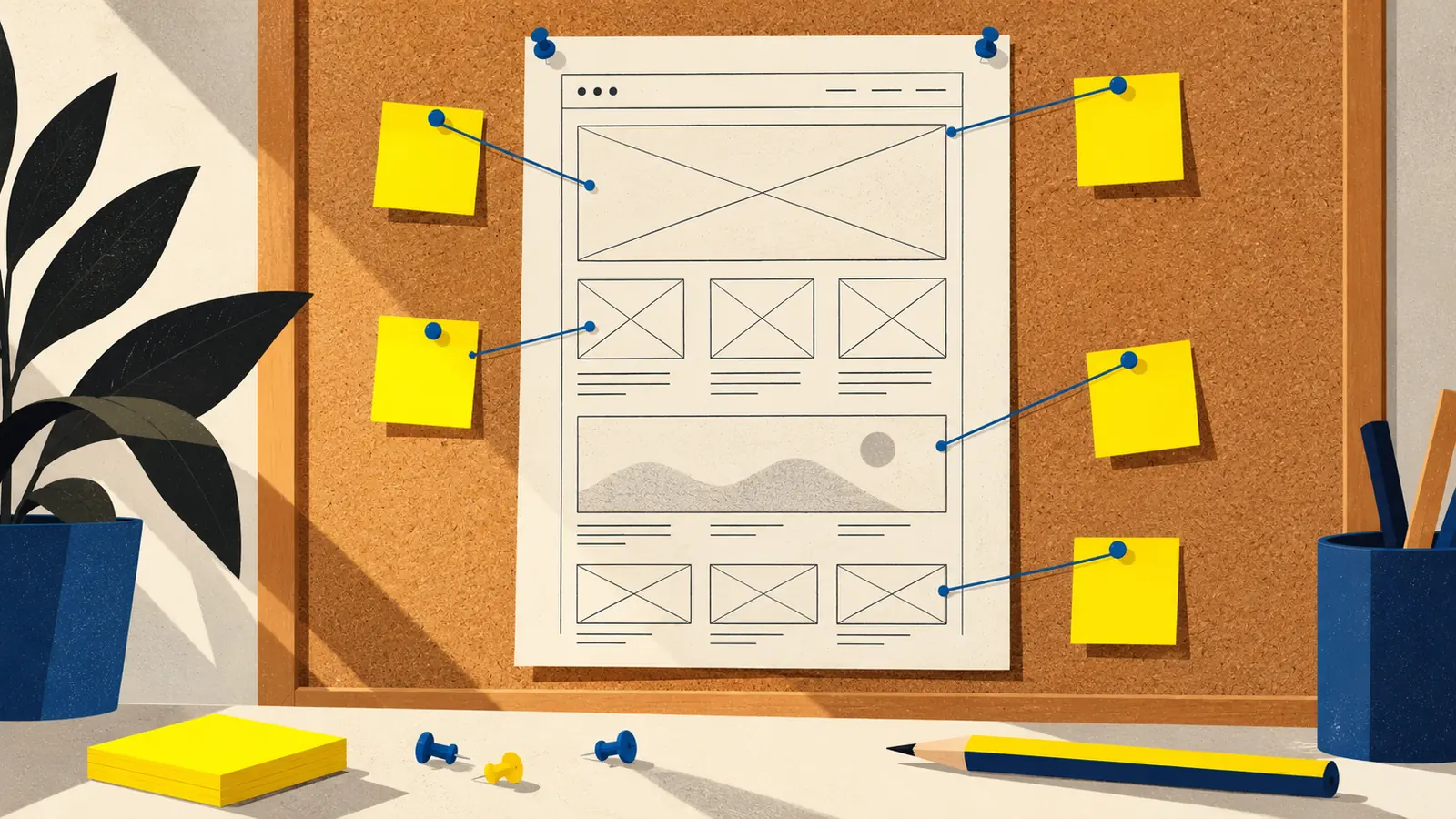
How a build and its SEO are priced
The design and build is a project, so it gets a fixed written scope and price for your site before work starts; a five-page service site and a large catalogue are different jobs. The search work around it runs on our three published monthly plans, with no setup fee and no lock-in.
A small business site: page plan, launch checks and steady local SEO after go-live.
A redesign with traffic to protect: full redirect map, then content every month.
Larger or multi-location sites and stores, with more pages planned and written.
Plan inclusions are on the pricing page. Because the site is built to run without us, there's no ongoing fee just to keep it online.
Before you commission a new site
What is SEO website design?
It's building a website with search planned in from the start, instead of designing it first and adding SEO afterwards. The keyword and page plan shapes the structure before the first wireframe, the build is fast and clean, and the site launches ready to be found. Findability is treated as a design requirement alongside layout and brand.
Why should SEO come before the design?
Because the biggest SEO decisions are structural and structure is set during design: the pages, how they're organised, the URLs, the internal links and what each page must hold. Left until after launch, those decisions have to be squeezed into a structure never built for them, which is slower and costs more.
Will a redesign hurt my rankings?
It can, if URLs change without redirects, ranking pages are dropped or the new site is slower. We audit what ranks first, keep what earns its place, and map every old URL to its new home with redirects in place before launch. Done properly, a redesign should hold your search traffic.
Do you build on WordPress?
Yes, by default. It's open, flexible and good for SEO when built well, and it doesn't lock you in. We keep the build lean rather than stacking a heavy page builder and dozens of plugins. If your project suits another platform better, we'll tell you.
Will I be locked into your platform?
No. Sites are built on open technology, with hosting and accounts in your name, and you can take the site to another developer whenever you like.
How long does an SEO website build take?
It depends on size and complexity. A typical business site takes a number of weeks from brief to launch, and larger or more custom builds take longer. We give you a realistic timeline once the scope is clear.
How much does SEO web design cost?
The design and build is quoted as a fixed written scope for your site before work starts. The search work around it sits on one of our published monthly plans (Starter $500, Growth $900, Performance $1,500). There's no setup fee and you can stop at the end of any month. See the pricing page for what each includes.
Can you redesign my existing site without losing traffic?
Yes. Before touching the design we record what ranks and brings visits, keep what's working, improve what isn't, and have every existing URL redirected to its new location at launch.
Do you write the content too?
Yes. The words on each page are what rank, so content is planned around search intent as part of the structure. Our team can write it in Australian English, or we can work with content you provide and shape it for search.
What makes SEO friendly website design?
A site that's fast, cleanly structured and easy to crawl: sensible URLs, a logical page hierarchy, proper headings, mobile-first layouts and content that matches what people search. It also avoids bloated code, broken redirects and thin pages. Our technical SEO guide covers the checks in detail.
What should I look for in an SEO website designer?
Ask who owns the redirect map at launch, what platform the site will run on and whether you'll own it, how the page list is decided before design, and how they'll check rankings after go-live. Specific answers to those four questions tell you more than a portfolio of good-looking homepages.
Draw the foundations first
Tell us about your business and your current site. We'll plan the pages and structure before anyone opens a design file.