Locksmith SEO built on proof a fake listing can't copy
Your trade's search results have been abused for years: listings that look local but ring a call centre, cheap advertised callouts that turn into large bills at the door. Customers have heard the warnings and now check before they dial. So the strategy is to be provably real. Every piece of proof is a pin in the lock. Set all five and the honest business opens, and a fake can't.
Updated
- LicenceCheckable with the state
- AssociationMembership you can confirm
- Verified profileThrough Google's checks
- Steady reviewsSpread over months
- Posted priceStated before they ring
Why locksmith SEO is a different game
A locksmith competes with other locksmiths, and also with a business model built on fakes: lead-generation operations dressed as local businesses, set up to catch the most urgent search a customer ever makes. That history changed how Google polices the category and how customers read your listings. It also created an opening. Where everyone is checking for fakes, the business that is easy to check wins twice, once with Google's systems and once with the customer.
So the usual order of local SEO flips. Generic campaigns treat trust badges as decoration and chase rankings with the same moves they'd use for a cafe. Here the trust material is the campaign: a licence number shown and checkable, association membership stated, real premises photographed, a verified profile, reviews building steadily from genuine jobs, and honest price ranges published where the bait advertisers won't follow.
The abuse is on the record
Fake locksmith listings are one of the best-known cases of local search spam. The New York Times laid the scheme out in January 2016.
Google checks harder now
Advanced verification for locksmith ads in the US and Canada, locksmith ads blocked in five European countries, and video verification for Business Profiles.
Real can be checked here
NSW locksmiths need a Class 2C security licence, and the Master Locksmiths Association asks members for theirs. A fake can copy your wording. It can't copy your credentials.
Years of fakes put your category under closer watch than most
The fake-locksmith economy grew big enough to draw national press in the United States and category rules from Google, and Australian customers have had their own warnings. Knowing the story tells you what a suspicious customer is checking for.
- 2016
The New York Times investigates
Call centres posing as local locksmiths, phone quotes of US$35 to US$90, then three or four times that at the door.
- Ads
Google restricts locksmith ads
Advanced verification required in the US and Canada. The ads can't run in Spain, the Netherlands, Germany, Sweden or Belgium. Australia isn't on the list.
- 2024
An Australian warning
In October the Master Locksmiths Association's president spoke on Sunrise and Seven News about scammers and how to report them.
- Now
Video verification
Google can ask a profile owner for an unedited video of the location, the tools of the trade and proof they run the business. Routine for a real operator.
Sources: The New York Times, "Fake Online Locksmiths May Be Out to Pick Your Pocket, Too", David Segal, 30 Jan 2016; Google Ads policy help, "Other restricted businesses: Local services"; Master Locksmiths Association media page (Sunrise and Seven News, 15 Oct 2024); Google Business Profile help, "Verify your business with a video recording". Checked 4 October 2026.
The law sits on the honest side too. Advertising one price and charging another runs into the Australian Consumer Law's rules on misleading conduct and bait advertising. Every listing in your suburb's map results with a pin on an address nobody works from, or a name stuffed with search terms, is holding a spot a real business could hold and taking calls from your neighbours when they're most stressed.
That's why we treat spam-fighting as part of the service. Google has channels for reporting listings that break its rules, and a well-documented report about a fake address gives its reviewers something concrete to act on. We watch the map results our locksmith clients compete in, document obvious fakes properly and report them, while building the client's own standing on merit.
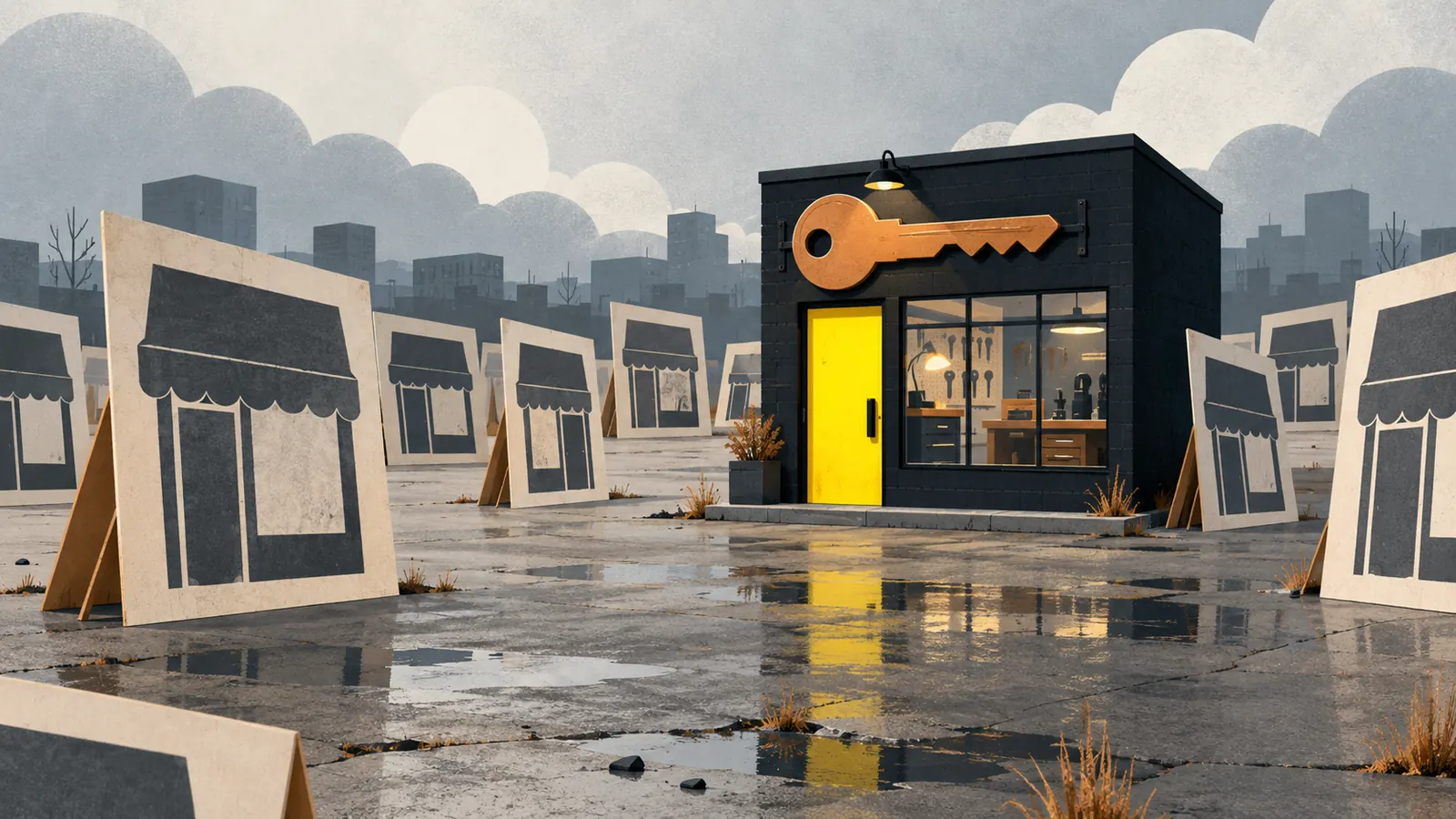
Spot the real listing in sixty seconds
Between finding a listing and ringing it there's now a beat of scrutiny. Fakes survive on customers who skip it. Real businesses win the customers who take it, but only if the proof is there to find. Here is a map result drawn the way a careful customer reads it.
emergency locksmith near me
Example listings drawn for illustration. Not real businesses.
What a careful customer checks before dialling
- A licence number they can look up
- A street address with real photos of the van or workshop
- Reviews spread over months, rather than a burst in one week
- The callout fee stated before they ring
- A business name, not a string of search terms
- Association membership they can confirm
Google's Business Profile help says local results are mainly based on relevance, distance and popularity, and it explains prominence as how well-known a business is, including links and reviews. The same proof that reassures a customer supports the profile.
Three credentials, worn where customers look
Australian locksmithing comes with credentials a fake can't borrow: state security licences, an industry association that checks them, and a verification process that favours businesses that really are local. Each one helps you rank and helps you get the call.
The security licence
In NSW, locksmithing is licensed security work under the Security Industry Act 1997. The Class 2C (security equipment specialist) licence covers acting as a locksmith, issued through NSW Police. Queensland security firms must belong to an approved security industry association.
MLAA membership
The Master Locksmiths Association of Australasia asks business members for a current security licence or registration in NSW, the ACT, Victoria, WA and Queensland, a trade-qualified nominee and $20 million public and product liability cover. It's an approved association in Queensland.
The verified profile
Video verification asks for an unedited recording of the location, the tools of the trade and proof you run the business, such as opening a van with your branding on it. Routine for a real locksmith, hard for a fake. Our Google Business Profile work starts here.
Sources: Security Industry Act 1997 (NSW) s12 and NSW Police Class 2 licence pages; qld.gov.au, join an approved security industry association; masterlocksmiths.com.au, membership requirements; Google Business Profile help, video verification. Checked 4 October 2026. Licensing varies by state and changes; confirm your state's current rules. General information, not legal advice.
Credentials in a drawer convert nobody. The licence number belongs in the website footer and on the profile, the association logo beside the phone number, real workshop and van photos in place of stock images, the licence mentioned in review replies, and LocalBusiness structured data that matches your profile details.
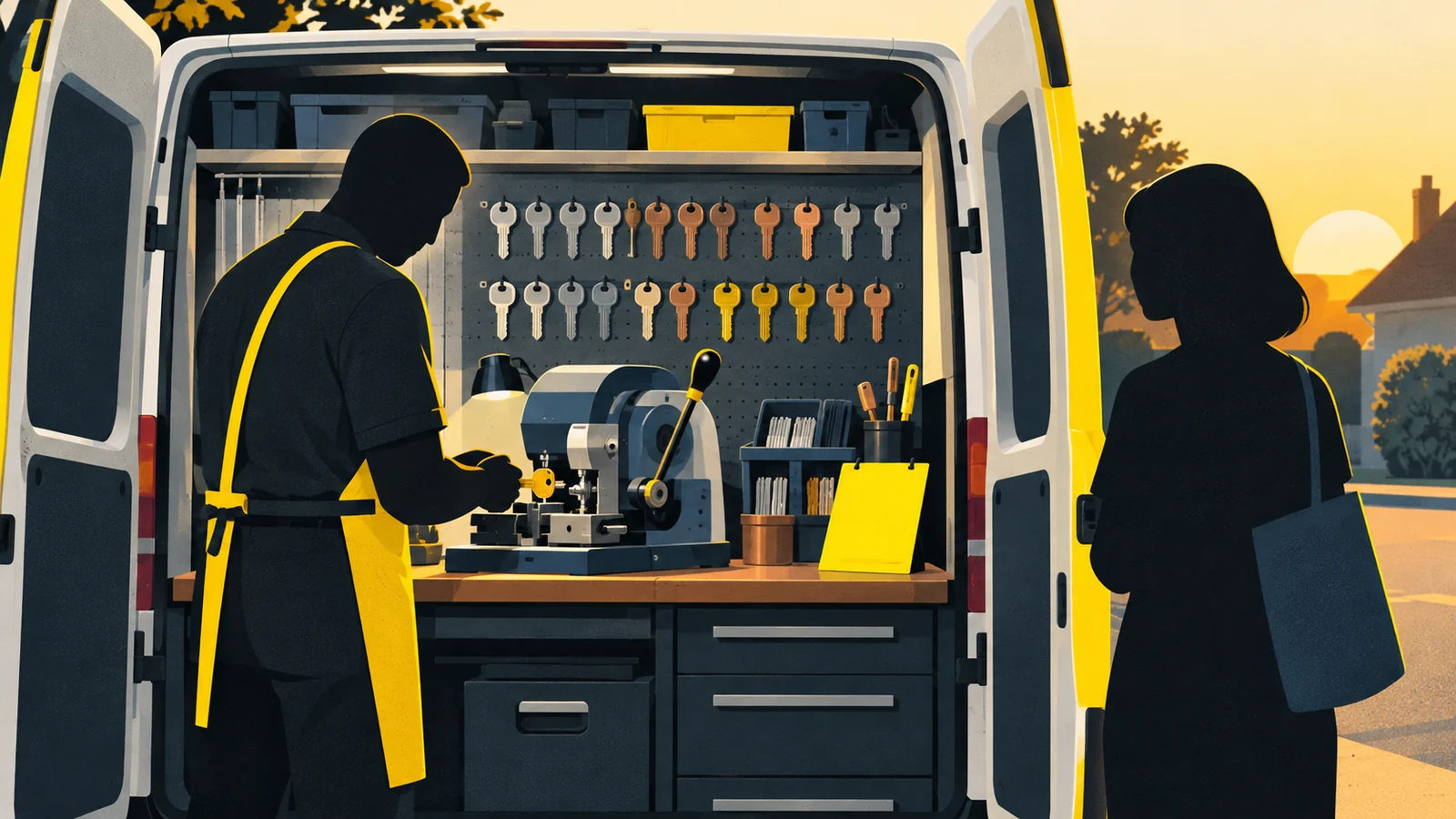
You run four businesses. Your website should admit it.
Good locksmiths SEO starts there: the lockout, the security upgrade, the car key and the commercial account are different searches from different people in different moods. A site with one services page listing everything gives none of them a page of their own, and that's usually where the growth is hiding.
The lockout
Urgent, mobile, no loyalty. Won in the map results and on the phone by whoever looks credible fastest. Pages built for speed: availability, area, licence, number, nothing in the way of the call.
emergency locksmith [suburb]The security upgrade
Considered: rekeying after moving, lock upgrades after a break-in, safes. The customer wants competence and calm, and helpful pages with visible credentials give them both.
change locks new house [city]The automotive job
Car key replacement and transponder programming, often weighed against a dealer quote and a wait. Make-and-model pages give that searcher a clear alternative.
car key replacement [suburb]The commercial account
Restricted lock systems, strata and real estate work. Won slowly on reputation and proof, and kept for years once won.
commercial locksmith [city]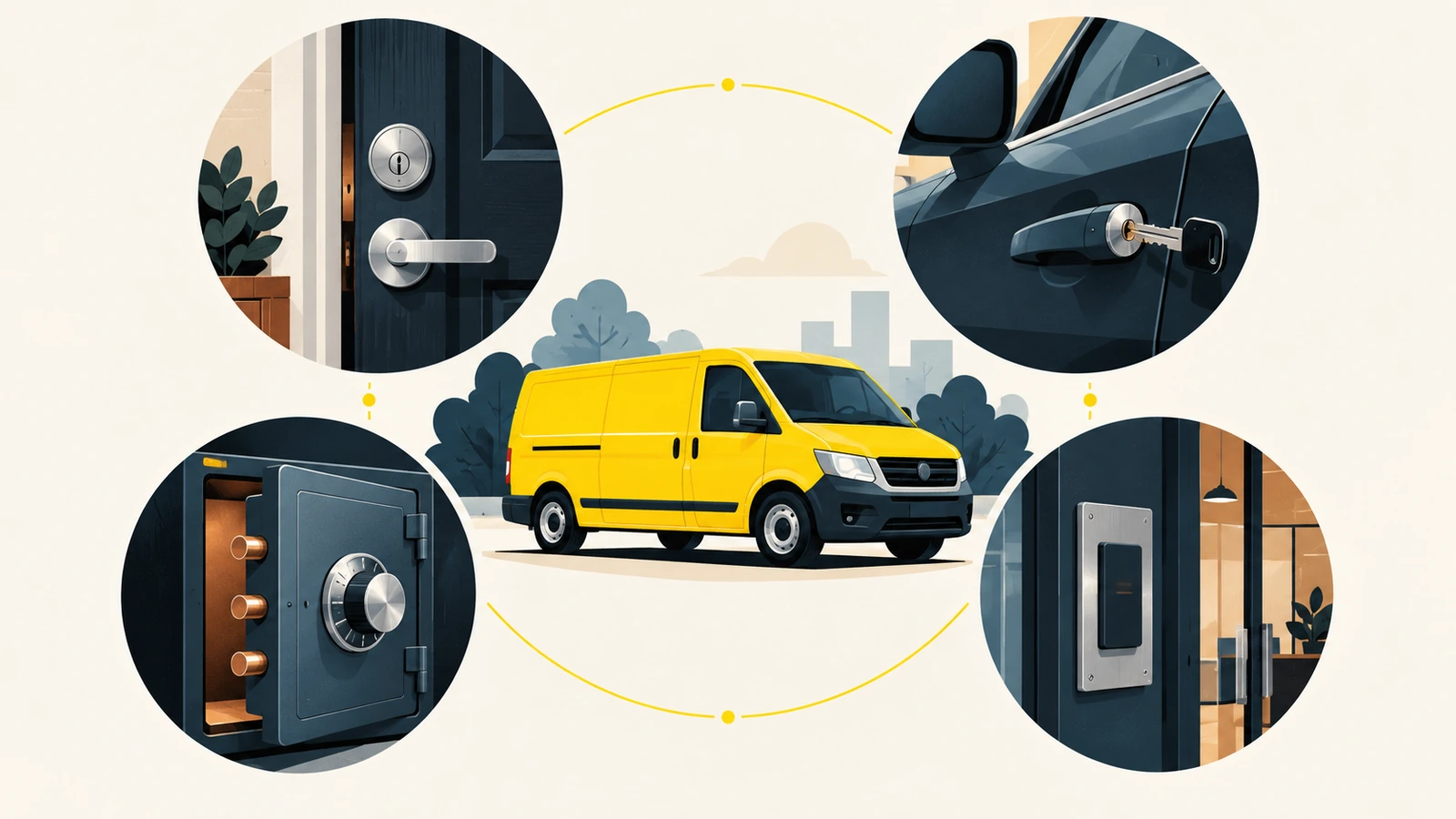
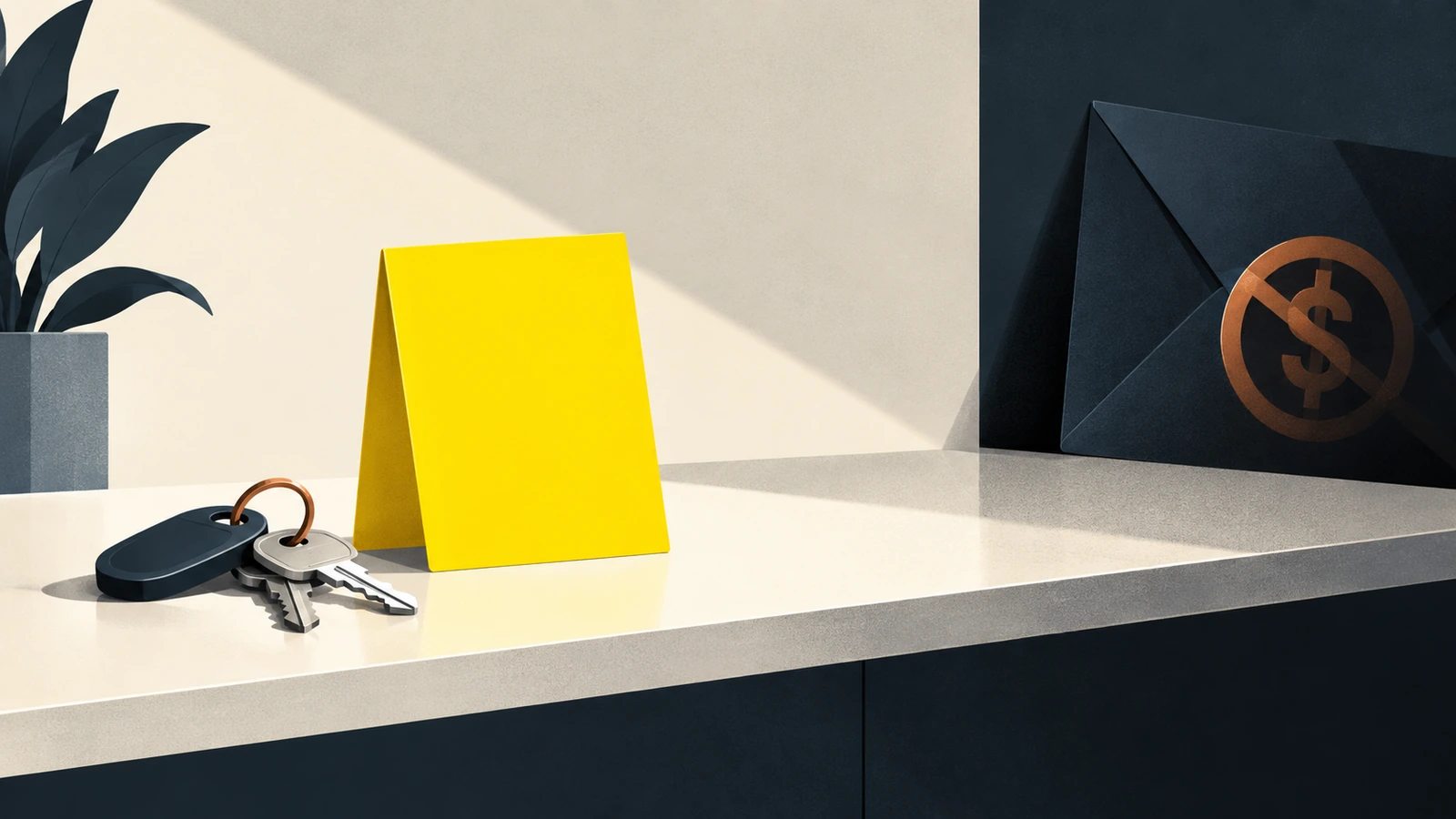
Publish real prices. The bait advertisers can't follow.
The scam model needs price fog: the too-cheap callout ad, the vague phone quote, the surprise at the door. A business that publishes its real callout fee and real ranges for business hours and after hours draws a line the bait advertisers can't cross without exposing themselves. Use your own numbers. We don't quote industry averages because we couldn't find a source we trust.
The bait path
- Cheap callout ad
- Vague phone quote
- A much bigger bill at the door
The pattern the New York Times described in 2016 and the Master Locksmiths Association still warns about.
The honest path
- Real range published
- Firm phone quote
- The quoted price, paid
- An invoice showing the licence number
It pre-qualifies the caller, settles the wary one, and turns every scam story they've read into a reason to pick you.
Price pages also rank. The searches people make before choosing a locksmith are the ones bait operators can't answer straight: what a lockout costs after hours, why prices vary, how to avoid locksmith scams. A straight answer with real numbers and the reasons behind them ranks for those searches and frames every comparison the customer makes afterwards. Customers who've read your guide also ring the cheap-callout advertiser armed with the right questions.
Setting the pins, one at a time
Verification first, then the map results, then the four markets, with the proof on show throughout. The price is on paper before work begins and you can stop at any month end.
- Pin 1
Audit the map and the fakes
Where you rank across your suburbs, what your map results contain, and which listings beside you are unlikely to survive scrutiny.
- Pin 2
Harden the profile
Verification, consistent details and the right categories done properly once, with our local SEO work underneath.
- Pin 3
Put the credentials on show
Licence, association and premises visible across the site, the profile and your review replies.
- Pin 4
Build the four markets
Emergency, security, automotive and commercial pages written for their own searches, with honest price pages throughout.
- Pin 5
Report fakes, gather reviews
Reviews building from real jobs, fakes reported as they appear, and a monthly report that counts calls by service line and suburb.
Our own prices, posted like yours should be
A page arguing for posted prices should show its own. Three monthly plans, no setup fee, no lock-in.
One operator, one service area
- Profile hardened, verification passed
- Credentials shown site-wide
- Core emergency and service pages
- Monthly call report by service line
All four markets, several suburbs
- Everything in Starter across your real area
- Automotive and security sections built out
- Map monitoring with fakes reported
- Review requests after every job
Capital-city competition, commercial too
- Suburb-by-suburb map campaigns
- Commercial and strata positioning
- Locksmith guides and earned local links
- A monthly strategy call
Full detail is on our pricing page. If a hardened profile and visible credentials would carry you for now, we'll say so.
What locksmiths ask before hiring an SEO
Why do locksmiths need specialist SEO?
Because few trades have had their search results abused like yours, so the strategy has to be proof rather than tricks. Locksmithing is one of the best-known cases of map spam: fake local listings feeding call centres, pins on addresses nobody works from, cheap advertised callouts that become large bills. The New York Times laid the scheme out in January 2016, and in October 2024 the Master Locksmiths Association's president was on national TV warning Australians. A real business with a licence, premises, a verified profile and real reviews can be made easy to tell apart, and both Google and customers are looking for exactly that.
How does being provably real help rankings?
Google's local systems and its verification checks both look for evidence that a business is real. A business that completes verification, keeps its details consistent, shows its licence and earns reviews from real jobs gives Google little reason to doubt it, and Google counts reviews and links toward prominence.
What do locksmith SEO services include?
Four layers. Verification first: a profile taken through Google's checks cleanly, with consistent details across the web. Then local SEO for locksmiths, won suburb by suburb in the map results with reviews from real jobs. Then the service split: emergency, residential security, automotive and commercial work each get their own pages. And the trust layer throughout: licences, association membership and honest pricing on show, which convert customers and show the business is real.
Should we publish our prices?
Yes. The scam model depends on price fog. Stating your real callout fee and your ranges for business hours and after hours pre-qualifies callers and draws a line bait advertisers can't cross without exposing themselves. Use your own numbers; we couldn't find an industry average we trust.
How is automotive locksmith work different for SEO?
It's a separate market with its own searches. Car replacement and transponder or proximity fob programming are specialised jobs, and the searcher is often weighing you against a dealership and its wait. Searches are specific, a make and model plus programming, or replacement plus a suburb, so automotive work deserves its own section with its own pages rather than a line in a services list.
Can we do anything about fake competitors in our area?
Yes. Google provides channels for reporting listings that break its rules, such as fake addresses, names stuffed with search terms and listings with no real premises, and a well-documented report gives its reviewers something to act on. We monitor the map results you compete in, document obvious fakes and report them properly. The core of the plan is still ranking your own business on merit; cleaning your street sits alongside it.
We put a call tracking number on our listing. Could that make us look like one of the fakes?
It can blur the very thing that separates you from them. The fake operators run on call-centre numbers that change and forward elsewhere, while Google's Business Profile guidelines ask for a number under the direct control of the business, a local number rather than a central call-centre line wherever possible, and nothing that redirects callers to someone else. If you track calls, keep the tracking number registered in your own name and ringing only your phones, list your usual number as an additional phone on the profile, and keep that usual number on the van, the website footer and every directory. A customer who checks three places and finds three different numbers will assume the worst.
Someone rang claiming to be from Google and offered to verify our listing for a fee. Is that real?
Treat it as a scam. Google's help page on fraudulent calls says Google will never ask for payment information over the phone or guarantee a special spot in its products. Verification happens inside your own Business Profile, for free. Hang up, sign in to the profile yourself and check whether anything actually needs doing. The same applies to a caller threatening a wave of one-star reviews unless you pay: Google's review help has a page for reporting negative review extortion, so report it there and keep any messages as evidence.
How much does locksmith SEO cost?
Three published plans: Starter at $500 a month for a single-van local campaign, Growth at $900 a month for several suburbs and all four markets, and Performance at $1,500 a month for contested capital-city markets or businesses with automotive and commercial arms. No setup fee and no lock-in. The monthly report counts calls by service line and suburb, so you can see which jobs the work brings in. Detail is on the pricing page.
Do you work with locksmiths in Sydney and other cities?
Yes, Australia-wide, from our base in Melbourne over calls and shared reporting. A big city like Sydney means more competitors and more suburbs to win one at a time, so locksmith SEO in Sydney is a longer map campaign than in a regional town. The plan is always built from the area you actually serve, never a template with a city name dropped in.
How do we get started?
Book a free consult. We look at your profile and its verification state, where you rank across the suburbs you serve, which of your map results contain likely fakes, and how visible your licence, membership and premises are to a careful customer. The written plan comes with prices and is yours to keep. If the quickest wins are fixing the profile and putting credentials on show before any content is written, the plan will say that.
Questions drawn from Google's autocomplete suggestions for locksmith SEO searches, checked 5 October 2026.
Be the listing that survives a second look
Tell us your service area and service mix. We'll check your map results, your profile and your proof, and send the findings in writing, free.