SEO vs Google Ads: the tap and the tank
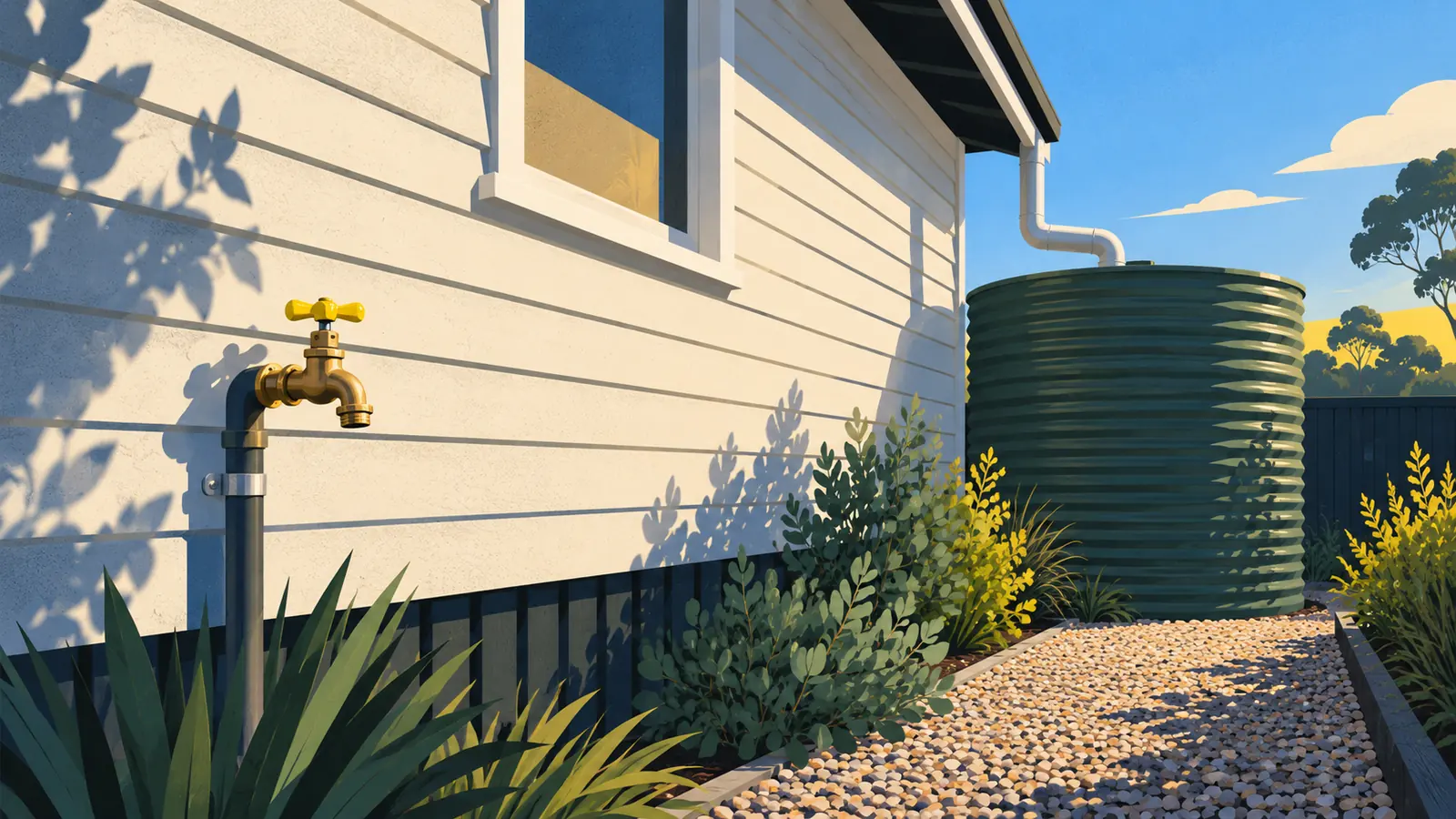
Google Ads is the mains tap: visitors flow the moment you turn it on, and every litre is billed. SEO is the rainwater tank: it costs time and money to install and fill, then supplies without a per-litre charge while you maintain it. Most households end up with both.
By the Boltly team · about 13 minutes to read
Updated
Google Ads
The tap. Turn it on, pay for every litre.
- FlowFrom the day ads are approved
- ChargeEvery click, at auction price
- Turn it offFlow stops the same day
- ControlLocation, schedule and wording
Lean on it when you need the phone to ring this month.
SEO
The tank. Fill it slowly, draw on it for years.
- FlowBuilds over months as pages rank
- ChargeThe work, not each click
- Stop the workSupply tapers over time
- ControlGoogle writes the snippet
Lean on it when you'll still be in this market in two years.
An analogy, not data. Neither supply is free: the tap bills per click, the tank costs the work that fills it.
Which is better, SEO or Google Ads?
Google Ads is better when you need enquiries this month; SEO is better when you want a lower cost per enquiry over the following years. Most businesses that can afford both run both, because each covers the other's weak spot.
Both show on the same page under different rules. Ads are sold at auction in labelled sponsored slots. The unpaid results below can't be bought: Google says it doesn't accept payment to crawl a site more often or rank it higher. SEO earns those unpaid places; Google Ads, often called PPC, buys the paid ones.
If you can fund only one, ask how soon you need the phone to ring, what a new customer is worth, and whether you'll still trade in this market in two years.
Source: Google Search Central, "In-depth guide to how Google Search works", last updated 18 December 2025, read 4 October 2026.
How each one actually works
Google Ads
You choose searches and a budget
You pick keywords, or let Google's automated campaigns find searches, and set a daily budget cap.
An auction runs on every search
Google's Ad Rank definition says position depends on your bid, the quality of your ad and landing page, minimum thresholds, the competition and the searcher's context. A relevant ad can beat a higher bid.
You pay when someone clicks
Standard Search campaigns charge for clicks, not for being seen. When the day's budget runs out, your ads stop.
You learn quickly
The search terms report shows the real searches behind your ads and which became enquiries, often within weeks.
SEO
Google crawls your pages
Googlebot finds pages through links and sitemaps and fetches them. Pages it can't reach can't rank.
It indexes what each page is about
Google analyses the text, images and structure, and stores pages it decides are worth keeping.
Ranking systems choose results
For each search, Google's systems pick the most relevant, helpful pages, considering things like the searcher's location and device. No payment changes this.
Results build slowly
Google's SEO starter guide says changes can show within hours or take several months. Pages that rank keep drawing visitors without a per-click charge.
Sources: Google Ads Help, "Ad Rank: Definition"; Google Search Central, "In-depth guide to how Google Search works" and "SEO Starter Guide". Read 4 October 2026.
SEO and Google Ads, side by side
Seven practical differences, each making one channel better for a particular job.
What the studies actually found
Six studies are worth knowing, and they cut both ways. All are from overseas; we haven't found Australian figures published to the same standard.
Paid clicks not replaced
When advertisers paused search ads, Google's 2011 research found 89% of the paid clicks were not made up by organic clicks.
Google search ads pause studies, 2011Still incremental in the top organic spot
A 2012 follow-up found about half of ad clicks were still incremental when the advertiser already held the top organic spot.
Google follow-up study, 2012Top organic click rate with an AI answer
Click-through for the first organic result fell from 22.6% to 3.6% when an AI answer showed. The top ad fell from 3.4% to 1.8%.
First Page Sage, 2026Clicks with and without an AI summary
Pew tracked real browsing: people clicked an ordinary result on 8% of visits when Google showed an AI summary, and 15% when it didn't.
Pew Research, July 2025Searches ending without a click
Over January to April 2026, roughly two in three US Google searches finished without anyone clicking through to a site.
SparkToro with Similarweb, 8 June 2026Average US cost per click
Across industries in the US, with attorneys and legal at US$9.87. Australian prices differ; check yours in Keyword Planner.
LocaliQ 2026 US search benchmarksThe pause studies say organic rankings don't simply replace ad clicks, even for businesses already at the top. The AI studies say both channels lose clicks where an AI answer appears. Both argue against putting everything into one channel.

Compare cost per enquiry, not cost per click
What matters is what each enquiry costs and what it's worth to you; a click price alone tells you little.
For Google Ads, divide your cost per click by the share of visitors who enquire. If clicks cost you $8 and one visitor in ten gets in touch, each enquiry costs $80 in clicks, before any management fee. Google's Keyword Planner shows bid ranges for your own searches in your area, a far better starting point than any national average.
For SEO, divide what you spend in a month by the enquiries search brings that month. Early on the answer looks terrible, because you're paying before pages rank. If the work succeeds, enquiries grow while spend stays flat and the cost per enquiry falls. If it doesn't, the same sum shows it.
Then set both against what a customer is worth over time. A $150 enquiry is expensive for a $90 haircut and cheap for a $9,000 bathroom renovation.
Two formulasIllustrative figures only
Google Ads
cost per click ÷ enquiry rate
e.g. $8 ÷ 10% = $80 per enquiry
SEO
monthly spend ÷ enquiries from search
e.g. $900 ÷ 12 enquiries = $75 per enquiry
Then ask
What is one new customer worth to us over a year?
The example numbers are made up to show the sums. Use your own click prices, enquiry rates and search figures.

When to turn on the tap, and when to build the tank
Lean on Google Ads when
- You've just launched and have no rankings yet.
- You're running a sale, an event or a seasonal push with a fixed date.
- Customers search in an emergency and pick the first credible result, like a locksmith at midnight.
- You want to test which searches convert before investing months in pages about them.
Lean on SEO when
- You plan to be in the same market for years and want enquiry costs to fall.
- Customers research for weeks before buying, as they do for accountants or builders.
- Click prices in your field are high enough that paid enquiries squeeze your margin.
- Your Business Profile and local pages could win an unpaid map pack place, which no ad budget buys.
How the two feed each other
The Google Ads search terms report is one of the best keyword research tools there is: it shows real searches that became enquiries. Those searches tell you which service pages to write or improve first. Once a page ranks well for a search, test lowering paid spend on it and watch total enquiries.
The link now runs the other way too. Google's AI Max for Search campaigns learn from your keywords, ads and landing page URLs to decide which searches to show your ads on. Clear, specific service pages help both channels, another reason to fix the website before pouring money into either. Our Google Ads management page explains how we run the paid side, and the guide to SEO costs in Australia covers the organic budget.
Source: Google Ads Help, "How AI Max for Search campaigns works", read 4 October 2026.

Half on ads, half on SEO, and a caller who says he's from Google
Owners weighing the two channels tend to hit the same three snags.
A small budget split down the middle, and neither half works
A thin ad budget runs out early, so the ads miss afternoon searches. A thin SEO budget buys a few hours a month, too few to move a competitive page. Concentrate instead. If you need enquiries now, put most of the money into ads on a short list of high-intent searches, send them to your best service page, and do the free SEO basics yourself: your Business Profile and your main service pages. Shift money towards SEO once the ad data shows which searches pay.
A caller says they're a Google Partner and can get you to the top
Google Partner is a Google Ads programme, and its requirements are all about Ads: an optimisation score in the agency's Ads manager account, at least US$10,000 of ad spend across managed accounts over 90 days, and Google Ads certifications. None of it touches the unpaid results. Google's own advice on hiring an SEO says to be wary of anyone claiming a "special relationship" with Google. Don't hand over account access on a cold call.
A new business with no rankings yet, wondering where to start
Set up your Business Profile on day one; it costs nothing. Run a modest ads campaign on the searches you most want to win, and read the search terms report weekly for the first couple of months. The searches that turn into enquiries are the ones to build your first service pages around. By the time those pages rank, you'll know which ad spend you can trim.
Google Ads Help, "How to become a Google Partner or Premier Partner"; Google Search Central, "Do you need an SEO?". Both read 5 October 2026.
SEO vs Google Ads, answered
SEO vs Google Ads: which is better for my business?
Google Ads is better for enquiries this month, and SEO for a lower cost per enquiry over years. If you can fund both, run Ads while SEO builds and shift budget as pages rank; if only one, choose by how urgently you need leads.
What is the difference between SEO and Google Ads?
Google Ads buys labelled sponsored places at auction, per click. SEO earns places in the unpaid results, which Google says can't be bought. Ads are fast and stop when you stop paying; SEO is slow and keeps working after the work stops.
Is Google Ads worth it for a small business?
It is when a customer is worth clearly more than the cost of winning one. Divide click price by enquiry rate and compare that with what a new customer earns you. Test with a small budget first to learn your real enquiry rate, and expect costs per enquiry to rise as you push spend higher.
How much do Google Ads cost in Australia?
You set the budget; click prices depend on your searches, location and competitors. Google doesn't publish an Australian average. For scale, LocaliQ's 2026 US benchmarks put the average click at US$5.42. Keyword Planner shows bid ranges for your own searches in your own area.
Does Google Ads help SEO rankings?
Not directly: Google doesn't accept payment to rank pages higher. Indirectly, the search terms report shows which searches convert, so you know which pages to build first.
What happens if I stop paying for Google Ads?
Your ads stop showing straight away. Google's 2011 pause studies found 89% of paid clicks weren't replaced by organic ones, so expect a real drop unless you already rank strongly for the same searches.
Can I run SEO and Google Ads at the same time?
Yes, and most businesses that can afford both do. Ads cover the months while pages climb, the search data guides which pages to write, and showing in both places takes up more of the results page.
Google's autocomplete suggested "seo vs google ads which is better", "is google ads worth it for small business", "how much do google ads cost australia" and "does google ads help seo" when we searched from Australia on 4 October 2026.
Not sure how to split the budget?
Our free audit looks at your site, market and ad account, then suggests a mix.